


Small Room Paint Tips: Paint Color Ideas for Small Spaces

When it comes to transforming small spaces, paint color plays a huge role. I’ve found that the right color can make a room feel larger, brighter, and more inviting. On the other hand, the wrong choice can make a cozy space feel cramped and dark. If you’re looking to refresh your home with a fresh coat of paint, I’m here to share some friendly, practical advice to help you pick the perfect colors for your small rooms.
Small Room Paint Tips to Brighten and Open Up Your Space
Small rooms can be tricky to decorate, but paint is one of the easiest and most impactful ways to change the feel of a space. Here are some tips I always keep in mind:
Choose lighter shades: Light colors reflect more natural light, making the room feel airy and open.
Use a consistent color palette: Keeping walls, trim, and ceilings in similar tones creates a seamless look that visually expands the space.
Consider the room’s purpose: Soft, calming colors work well in bedrooms, while brighter hues can energize kitchens or home offices.
Don’t forget the ceiling: Painting the ceiling a lighter shade than the walls can add height and openness.
Add a satin or eggshell finish: These finishes reflect light better than flat paint, adding subtle brightness without too much shine.
By following these tips, you can create a small room that feels welcoming and spacious without needing to knock down walls.
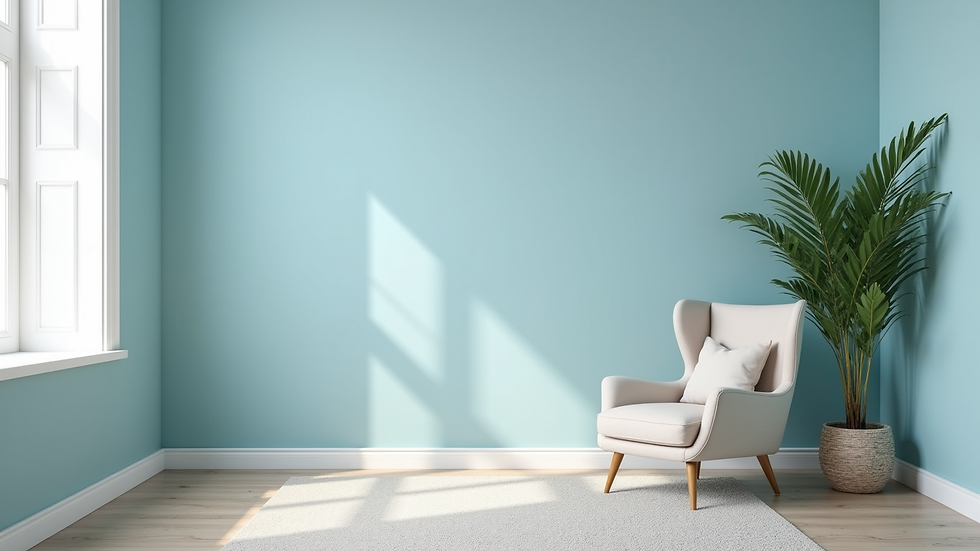
What Colors Should You Paint Small Rooms?
Choosing the right colors for small rooms is all about balance. You want to open up the space without losing warmth or personality. Here are some color ideas that work beautifully in small rooms:
1. Soft Neutrals
Neutrals like warm beige, creamy off-white, or soft taupe create a cozy yet open atmosphere. They reflect light well and pair easily with any décor style.
2. Pale Blues and Greens
These colors bring a calming, fresh vibe to a room. Pale blue can remind you of the sky, while soft green evokes nature, both helping to create a peaceful retreat.
3. Light Grays
Gray is a modern neutral that adds sophistication without overwhelming a small space. Choose lighter shades with warm undertones to keep the room feeling inviting.
4. Warm Pastels
Colors like blush pink, soft peach, or lavender add a touch of personality while still keeping the room light and airy.
5. Crisp White
White walls can make a small room feel clean and expansive. To avoid a sterile look, add texture with fabrics and accessories.
When you’re choosing paint colors for small rooms, think about how the color will interact with your lighting and furnishings. Test samples on your walls before committing to a full paint job.

Using Accent Walls and Color Blocking in Small Spaces
Accent walls can be a clever way to add depth and interest to a small room without overwhelming it. Here’s how to do it right:
Pick one wall: Choose the wall that naturally draws the eye, like the one behind the bed or sofa.
Use a darker or bolder color: This creates a focal point and adds dimension.
Keep other walls light: Balance the accent wall with lighter shades on the remaining walls to maintain openness.
Try color blocking: Painting sections of a wall in different colors or shapes can add a modern, artistic touch without cluttering the space.
For example, a soft gray room with a navy blue accent wall can feel both cozy and spacious. Or, a pale green room with a white color block near the ceiling can add height visually.
Tips for Painting Small Rooms with Limited Natural Light
If your small room doesn’t get much natural light, paint color choice becomes even more important. Here’s what I recommend:
Choose warm light colors: Creamy whites, soft yellows, or warm beiges can add warmth and brightness.
Avoid dark colors: They absorb light and make the room feel smaller.
Use reflective finishes: Satin or semi-gloss paint can bounce light around the room.
Add mirrors and light-colored furnishings: These complement your paint choice and enhance the feeling of space.
By combining these strategies, you can turn a dim, small room into a cheerful, inviting space.
Final Thoughts on Transforming Small Spaces with Paint
Painting a small room is one of the most affordable and effective ways to transform your home. With the right colors and techniques, you can make your space feel larger, brighter, and more welcoming. Remember to test paint samples, consider your lighting, and don’t be afraid to add personality with accent walls or warm pastels.
If you want to explore more ideas or need help with your next painting project, I’m here to help you bring your vision to life. Together, we can make your small spaces feel just right.
Happy painting!
Comments